
Deep Plane Facelift in Istanbul, Turkey
Prof. Dr. Kerem Sami Kaya is an ENT surgeon based in Istanbul, specializing in facial aesthetic surgery, including Deep Plane Facelift and Modified Composite Deep Plane Facelift.
Deep Plane Facelift is an advanced facial rejuvenation technique designed to reposition deeper facial tissues affected by aging, rather than simply tightening the skin.
Prof. Dr. Kerem Sami Kaya considers the mid-face, cheeks, jawline, and neck as part of the overall facial anatomy. Depending on the patient's individual anatomy and aging process, Deep Plane Facelift and Necklift surgery can be combined with fat transfer, or other facial aesthetic procedures.
The goal is to achieve a natural and refreshed look while preserving the individual's facial features and expressions. Each surgical plan is tailored to the individual following a thorough facial examination and consultation.
A facelift (rhytidectomy) is a surgical procedure designed to address age-related changes in the face, including sagging and descent of the facial tissues. Depending on the patient's anatomy and individual needs, different facelift techniques may be used to reposition the deeper facial tissues and restore a more youthful and natural facial contour.
The goal of facelift surgery is not simply to tighten the skin, but to address the underlying changes in the facial tissues while preserving the patient's natural facial expression and individual characteristics.
Facial aging is a gradual process that develops over time and involves changes in the skin, facial fat compartments, muscles and deeper supporting tissues. With age, the distribution and position of facial fat may change, while the skin gradually loses elasticity and the supporting tissues of the face may descend.
These changes can contribute to loss of facial definition, deepening of facial folds, jowling and changes in the relationship between the face and neck. The extent and pattern of these changes vary considerably from person to person and are influenced by factors such as genetics, skin quality, facial anatomy and environmental exposure.
With the decrease in bone and fat tissues with aging, the skull becomes thinner and smaller.
The eyebrows slowly descend from their place. It creates a typical aging eye image with sagging of the eyebrows and excess skin in the upper eyelids.
Several different techniques are described in face lift surgeries.
However, in facelift surgeries, successful results are obtained by making a good evaluation in terms of the lower and middle face and choosing the appropriate technique for the patient's problems.
As a result, it is necessary to analyze the anatomical changes developed with the age of the patient and to make a specific surgery plan according to the patient's needs and requirements.
''Special planning for the patient...
Younger and shiny view... ''
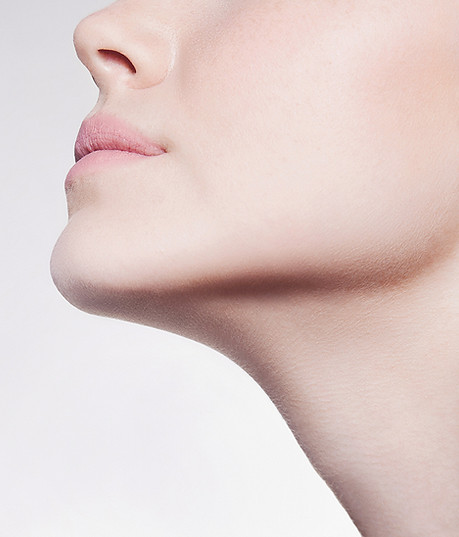
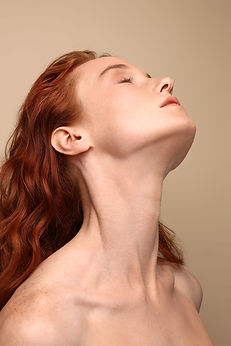

Face Lift Techniques
Facelift techniques are classified according to the depth and extent of dissection. They are basically divided into two as Classical facelift techniques and Deep Plane Facelift techniques.
1
Classical Techniques
In classical stretching techniques, the SMAS layer under the skin is superficially pulled and sutured. The pulling of the SMAS can be performed by several different methods including plication or imbrication. They are the most common facelift techniques practiced worldwide.
Classic Facelift Technique
Since the ligaments holding the SMAS layer are not treated in classical facelift surgeries, the effects on the cheek and nasolabial folds are very little and the effectiveness of the technique decreases in the long term.
2
Deep Plane Techniques
Deep Plane facelift techniques (Extended SMAS, High SMAS, Deep Plane, Composite Plane and Modified Composite Plane) involve the release of the midface (ZCL and MCL) ligaments and extensive mobilization of the SMAS with malar fat.
The technique that Prof. Dr. Kerem Sami Kaya most commonly applies is the Modified Composite Deep Plane Facelift.
Effectiveness of Modified Composite Deep Plane Face Lift Technique
This technique safely releases the retaining ligaments. The cheek and mid-face tissues can be repositioned as a result of moving the SMAS layer up and back, creating a natural facelift effect. In addition, the long-term permanence of the facelift effect provided by the deep plane facelift technique is also ensured.
Prof. Dr. Kerem Sami Kaya is an ear, nose, and throat (ENT) surgeon practicing in Istanbul, Türkiye, and his surgical procedures also include facial aesthetic surgery.
Areas of interest in facial aesthetic surgery include Deep Plane Facelift, Modified Composite Deep Plane Facelift, neck lift, mid-facelift, endoscopic brow lift, rhinoplasty, eyelid surgery, and facial fat transfer.
He is a member of the European Academy of Facial Plastic Surgery (EAFPS) and the Turkish Society of Facial Plastic Surgery.
Their approach to facial rejuvenation focuses on personalized surgical planning and natural-looking results, rather than an overly taut or altered appearance.
DEEP PLANE FACELIFT
Deep Plane Facelift is an advanced facelift technique that aims to reposition deep anatomical structures that shift with aging, rather than simply tightening the skin of the face.
In this technique, the skin itself is not stretched. The aim is to achieve a more natural rejuvenation by moving the supporting tissues beneath the skin, which contribute to facial expressions.
The primary goal of a Deep Plane Facelift is not to make the face appear "stretched," but rather to return tissues that have shifted downwards over time to their anatomical position as naturally as possible, mirroring their pre-youthful state.
Why Does the Face Age?
Many people think that aging is simply caused by skin sagging. However, facial aging is a much more complex process.
As we get older:
Collagen and elastin production decreases.
The skin thins and loses its elasticity.
Facial fat tissues lose volume or shift downwards.
The connective tissues supporting the face loosen.
The neck muscle (platysma) may relax.
The lower part of the face can sag due to the effects of gravity.
When these changes are considered together, it becomes clear that aging occurs not only in the skin but also in the entire support system of the face.
Therefore, modern facelift techniques take into account not only the skin but also the deeper anatomical structures affected by aging.

Which areas does Deep Plane Facelift affect?
This technique allows for the evaluation of multiple areas of the face together, not just a single region.
Depending on the treatment plan, improvement may be targeted in the following areas:
Mid-face and cheeks
Jawline
Marionette lines
Neck contour
Chin area
Appearance of nasolabial folds
The changes achieved in each patient may vary depending on the existing signs of aging and the surgical plan applied.

Why Deep Plane Facelift?
One of the notable changes in aesthetic surgery in recent years is that patients place greater importance on natural-looking results.
Many people today;
"I don't want anyone to think I've had surgery."
"I want to look more vibrant, but I don't want my face to change."
"I want my facial expressions to remain natural."
They apply with expectations such as these.
Therefore, interest in techniques working in deep anatomical planes has increased. Deep Plane Facelift has gained more attention in recent years as it is one of the approaches that aims to achieve rejuvenation while preserving natural facial contours in suitable patients.

Why Are Facial Fat Compartments Important?
Facial fat is not simply a source of volume. The face contains multiple fat compartments that contribute to facial contour, proportions and the transition between different areas of the face.
With aging, these fat compartments may change in volume and position. Some areas may lose volume, while others may become more prominent because of tissue descent. These changes can contribute to hollowing, loss of facial definition and the development of folds and jowls.
For this reason, an individualized facelift plan should consider the position and volume of the facial fat compartments rather than focusing only on the skin. When appropriate, fat transfer may be used to restore volume and support facial harmony as part of a comprehensive facial rejuvenation plan.

Why is the natural outcome so important?
The goal of modern facial aesthetics is not to alter a person's face, but to achieve a younger and more rested appearance.
What people usually notice after a successful operation is not the "surgery-related" appearance, but rather how more energetic, healthy, and vibrant the person looks.
Therefore, natural results are considered one of the most important goals of aesthetic surgery today.

Prof. Dr. Kerem Sami Kaya's Approach
For Prof. Dr. Kerem Sami Kaya, a facelift is not simply a procedure to remove excess skin. During surgical planning, the entire face is considered as a whole; the harmony between the mid-face, jawline, and neck is taken into account together.
Since each patient's facial anatomy, skin structure, and aging pattern are different, the treatment plan is also created individually. The goal is to achieve a younger, more rested, and natural look while preserving the characteristic features of the face. If necessary, neck lifts, fat injections, or other complementary procedures can also be included in this plan.

Changes Occurring in the Skin
The first signs of aging are often seen on the skin.
These may include:
-
fine wrinkles,
-
dryness,
-
loss of elasticity,
-
sun damage,
-
color irregularities
However, treating only the skin does not necessarily guarantee a younger-looking face, because many of the structures that determine facial volume and contours are located beneath the skin.
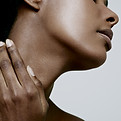
Why Should Neck Aging Be Evaluated Together?
Many people want to rejuvenate their face but overlook the neck area.
However, harmony between the face and neck is important for a youthful appearance.
The following changes may be seen in the neck:
skin laxity,
fat accumulation
Platysma bands,
Loss of jaw angle.
Therefore, in suitable patients, a neck lift can be planned in conjunction with a facelift.

Preoperative Assessment
A successful operation begins before you even enter the operating room.
During the examination, not only the external appearance of the face but the entire face is evaluated in detail.
This assessment examines the following points:
Facial symmetry
Skin quality and elasticity
Cheek volume
Defined jawline
Neck contour
Condition of the platysma muscle
Fat distribution
Previous cosmetic procedures or surgeries
General health status and medications being used
This analysis helps create a personalized surgical plan for each patient.
Surgery Process
Preparation Process
The surgical plan is individualized according to each patient's facial anatomy, degree of tissue descent, skin quality, facial proportions and aesthetic goals.
Before surgery, I carefully evaluate the changes that concern the patient and assess the face and neck as a whole. Based on this examination, I determine whether a Deep Plane Facelift, neck lift or additional procedures would be appropriate.
During Deep Plane Facelift surgery, the deeper facial tissues are carefully released and repositioned to achieve a natural and harmonious rejuvenation. The surgical approach is tailored to the patient's anatomy rather than following a fixed technique for every patient.
The aim is to restore facial contours while avoiding an excessively tight or operated appearance and preserving the patient's natural expression and individual character.
Communication before and after surgery
We support our international patients through video consultations and WhatsApp communication before and after surgery.
24/7 Post-operative Support
The day before the surgery, we inform you again in my clinic and evaluate your plans.
On the day of your surgery, I will see you in your room and perform your surgery after your final examination. Then I visit you again in your room and remind you about the important points to be followed.
You are followed up at the hospital that day and you are discharged on the same day after I visit you the next day, make your dressing and perform your general examination. In the following processes, you can reach us 24/7 and at the end of the 1st week, your last check is done in our clinic.
Accommodation and Transportation
In case of request of our patients coming from abroad, we provide information about hotels close to our clinic and transportation facilities.